
Common Misconceptions About Teeth Whitening


Understanding Teeth Whitening
Teeth whitening is a popular cosmetic procedure that many people seek to enhance their smiles. However, there are several misconceptions surrounding this treatment. Understanding the facts can help you make informed decisions about your dental care.

Teeth Whitening Damages Enamel
A common misconception is that teeth whitening can damage the enamel. In reality, when performed correctly, teeth whitening is safe for your enamel. Professional whitening treatments are designed to remove surface stains without harming the tooth structure.
It's crucial to follow the instructions provided by your dentist or the product manufacturer to ensure the safety and effectiveness of the whitening process.
Results Are Permanent
Many people believe that teeth whitening results are permanent. However, the effects can fade over time, especially if you consume staining foods and beverages like coffee, wine, and berries. Regular maintenance is essential to keep your smile bright.

For long-lasting results, consider touch-up treatments or using whitening toothpaste as part of your routine dental care.
Whitening Works for All Teeth
Another misconception is that whitening treatments work on all types of teeth. In truth, whitening is most effective on natural teeth and may not have the same results on crowns, veneers, or fillings.
Consult with your dentist to determine the best approach for your specific dental needs and to ensure realistic expectations.
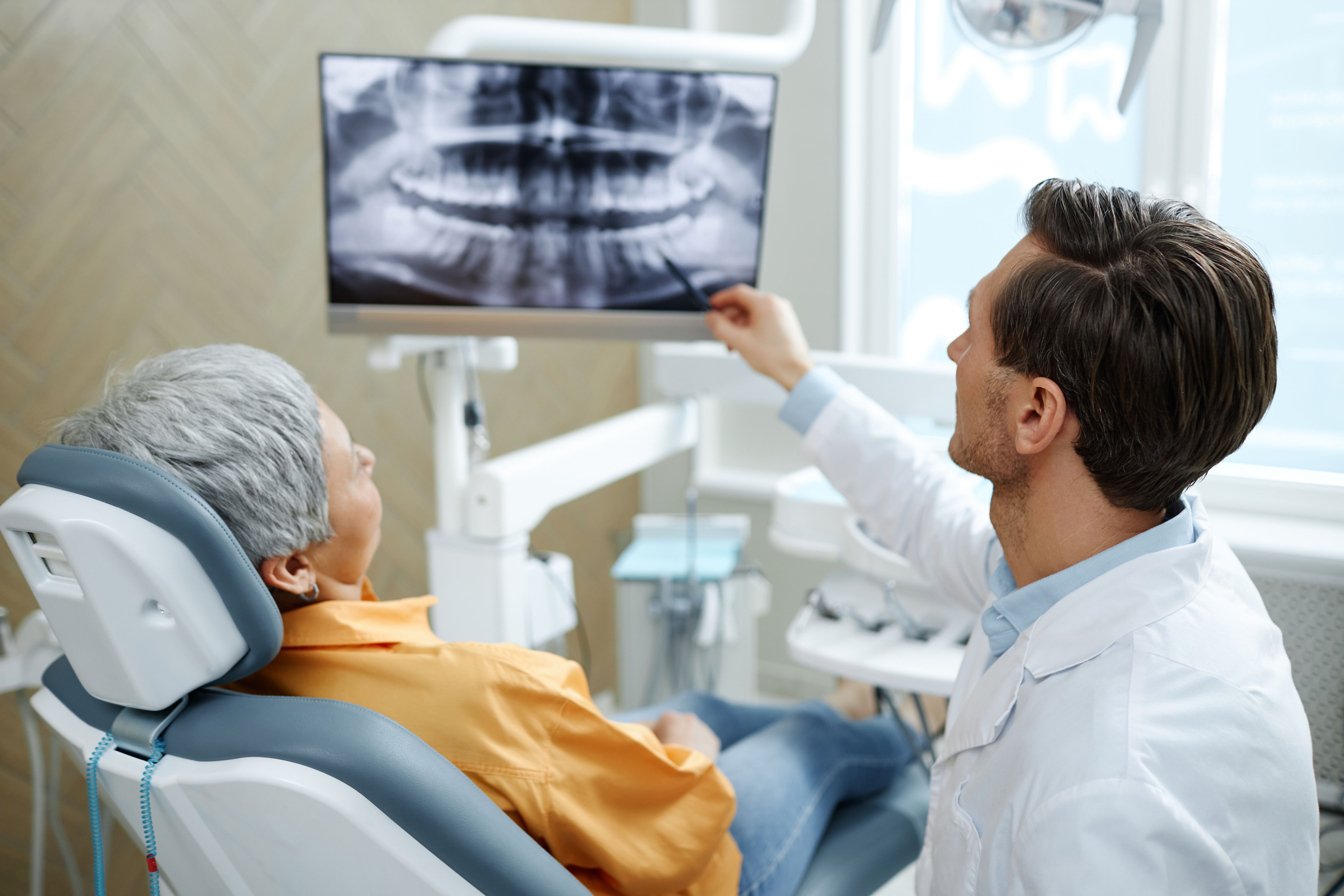
Over-the-Counter Products Are as Effective as Professional Treatments
While over-the-counter whitening products can provide some improvement, they often lack the potency and precision of professional treatments. Dentists use higher concentration bleaching agents and custom-fit trays that ensure even application and superior results.
If you're seeking significant whitening, a professional treatment is often the best choice for achieving your desired outcome.
Whitening Is Painful
Many fear that teeth whitening is a painful process. While some people may experience temporary sensitivity, professional treatments often include measures to minimize discomfort. Over-the-counter options may not offer the same comfort features.
If you have concerns about sensitivity, discuss them with your dentist, who can recommend suitable options or additional measures to alleviate discomfort.
Natural Remedies Are Just as Effective
Some people turn to natural remedies like baking soda or lemon juice, believing they are as effective as commercial products. However, these methods can be abrasive and potentially harmful to your teeth.
It's always best to rely on scientifically-proven treatments and consult with dental professionals for safe and effective whitening options.