
How Invisalign Compares to Traditional Braces: A Comprehensive Analysis


Introduction to Invisalign and Traditional Braces
When it comes to correcting dental alignment, patients are often faced with the choice between Invisalign and traditional braces. Both options have their unique advantages and challenges, making the decision a significant one for individuals seeking orthodontic treatment. In this comprehensive analysis, we'll explore how Invisalign compares to traditional braces, focusing on various aspects such as comfort, aesthetics, cost, and effectiveness.
Comfort and Convenience
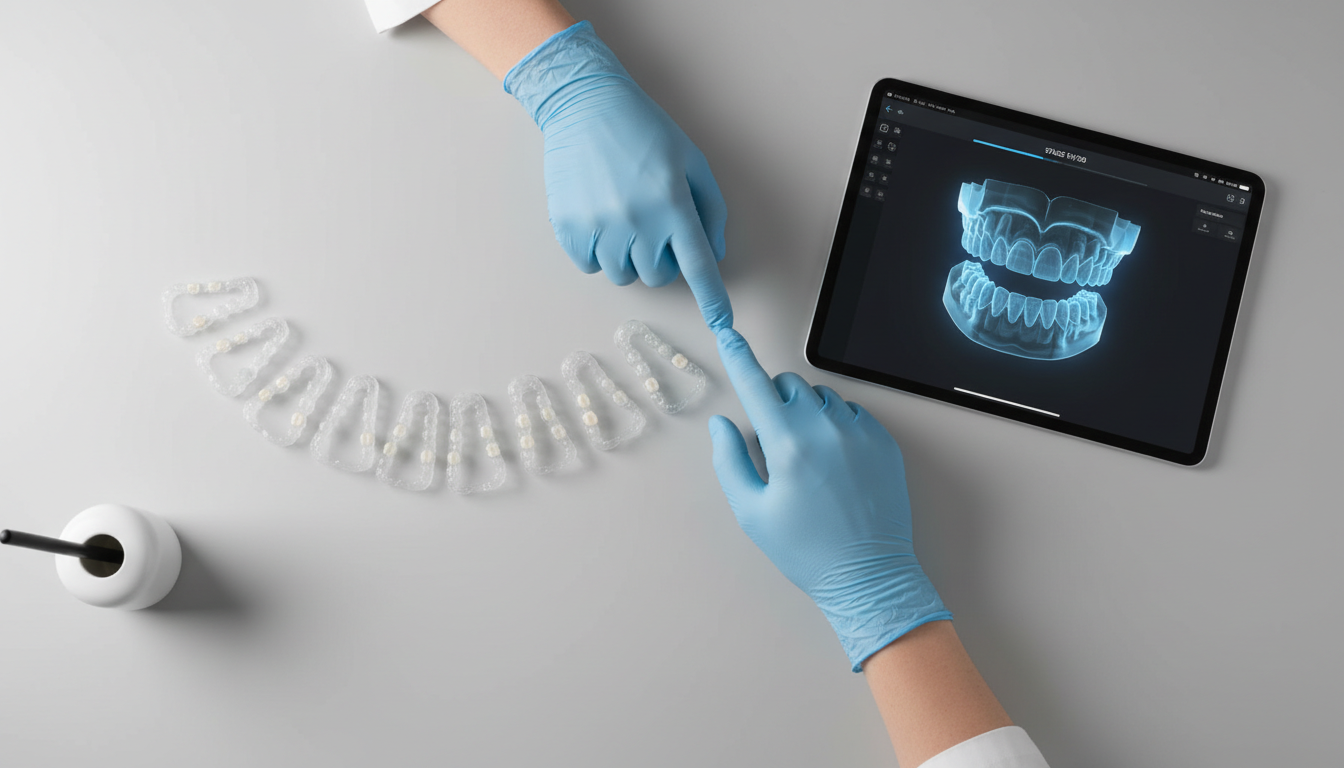
One of the primary considerations for patients is the level of comfort associated with each treatment option. Traditional braces consist of metal brackets and wires, which can cause discomfort, especially shortly after adjustments. On the other hand, Invisalign aligners are made of smooth plastic, reducing irritation to the gums and cheeks. They are also removable, allowing for easier eating and oral hygiene.
While Invisalign offers greater convenience, it's important to note that they require a high degree of discipline from the wearer. The aligners must be worn for 20-22 hours a day to be effective, which may be challenging for some individuals.
Aesthetic Appeal
Aesthetics play a crucial role in the decision-making process for many patients. Traditional braces are quite visible, which can be a concern for those conscious of their appearance. Invisalign, however, is known for its discreet nature. The clear aligners are virtually invisible, making them an attractive option for adults and teenagers who want to avoid the look of metal braces.
Effectiveness and Treatment Duration
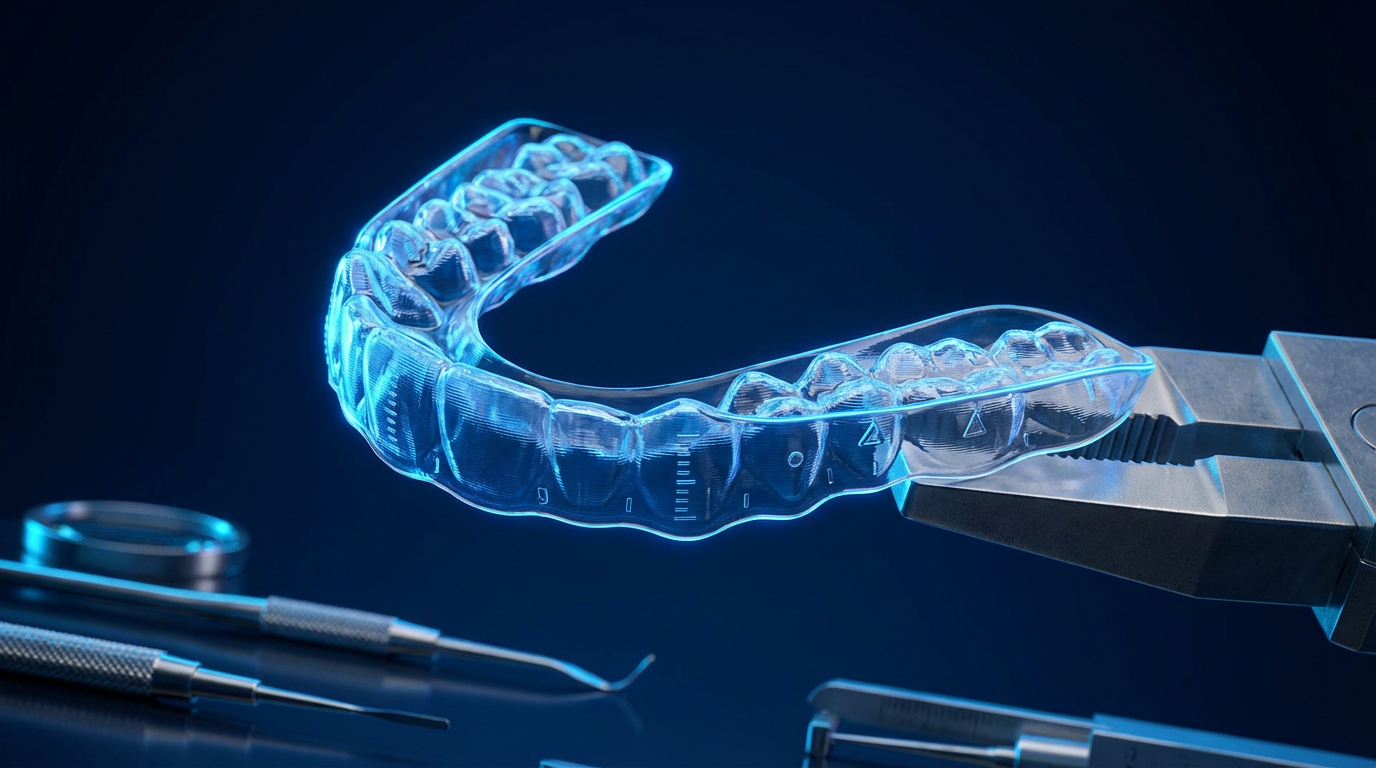
Both Invisalign and traditional braces are effective in treating a wide range of orthodontic issues. However, traditional braces are often considered more versatile, especially for complex cases involving severe misalignment or bite issues. Invisalign is usually recommended for mild to moderate cases.
Treatment duration can vary significantly between the two. While traditional braces typically require 18 months to 3 years, Invisalign treatment often ranges from 12 to 18 months, depending on the complexity of the case.
Cost Considerations
The cost is another important factor when comparing Invisalign and traditional braces. Generally, Invisalign tends to be more expensive than traditional braces. Factors influencing the cost include the complexity of the case, the length of treatment, and geographic location. It's essential for patients to consult with their orthodontist to understand the full financial implications of each option.

Maintenance and Care
Proper maintenance is crucial for the success of any orthodontic treatment. Traditional braces require regular adjustments and diligent cleaning to prevent plaque buildup around the brackets. Invisalign aligners, being removable, make brushing and flossing much easier. However, they must be cleaned regularly to prevent staining and odor.
Patients with Invisalign must also be careful not to misplace their aligners, as losing them can delay treatment.
Conclusion: Making the Right Choice
Deciding between Invisalign and traditional braces involves weighing multiple factors, including comfort, aesthetics, effectiveness, cost, and personal lifestyle. While Invisalign offers a discreet and comfortable alternative, traditional braces provide a reliable solution for complex orthodontic issues.
Ultimately, the best choice will depend on individual needs and preferences. Consulting with an experienced orthodontist can provide valuable insights and help patients make an informed decision that aligns with their dental health goals.