
Invisalign vs. Traditional Braces: Which is Best for You?


Understanding the Basics
When it comes to straightening teeth, the choice often boils down to Invisalign and traditional braces. Both options have their unique benefits and challenges, but the right choice depends on individual needs and preferences. In this post, we'll explore the pros and cons of each to help you make an informed decision.
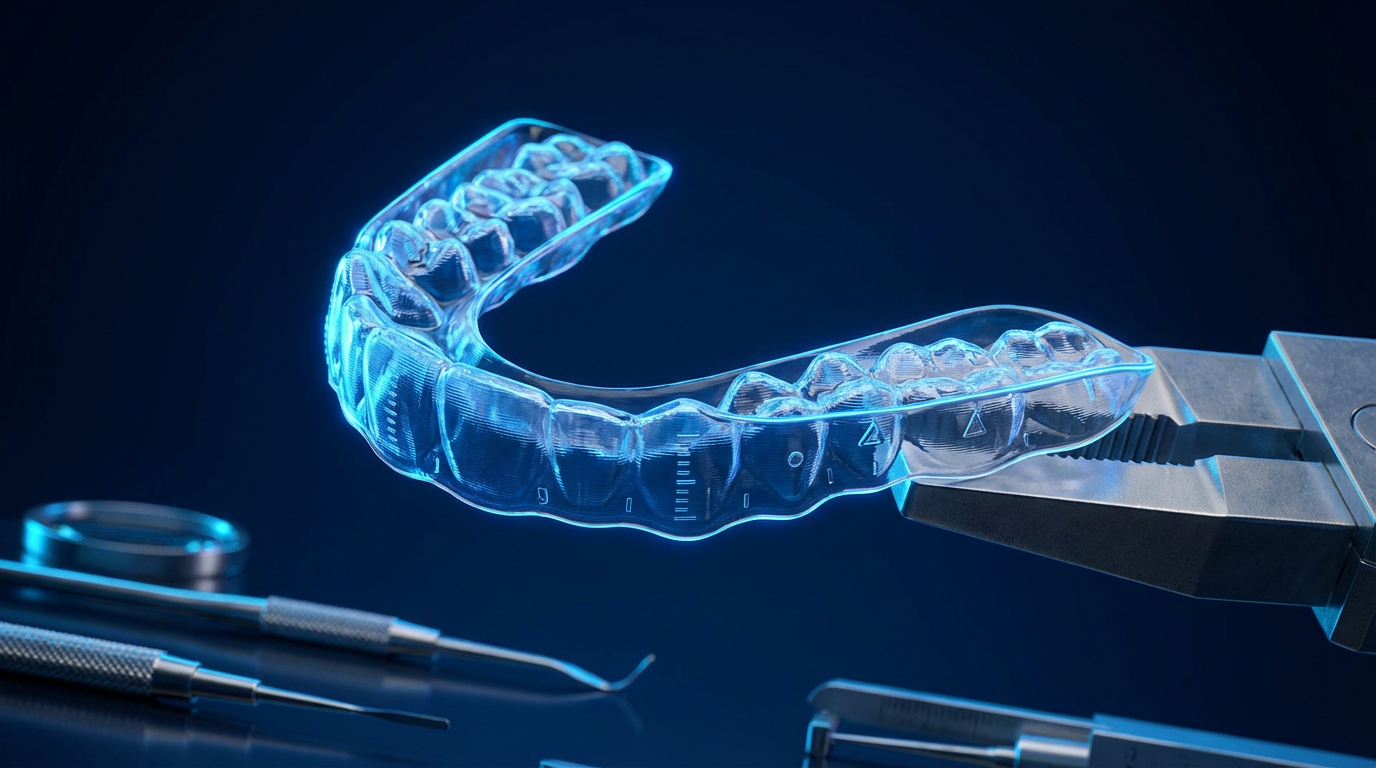
Invisalign is a modern approach to teeth straightening that uses clear, removable aligners. These aligners are custom-made for each patient and gradually shift teeth into the desired position. On the other hand, traditional braces use metal brackets and wires to achieve the same goal. Each method has its unique set of features worth considering.
Appearance and Comfort
One of the most significant advantages of Invisalign is its discreet appearance. The clear aligners are almost invisible, making them an attractive option for those concerned about aesthetics. In contrast, traditional braces are more noticeable, with metal brackets and wires that can be seen when you smile or speak.
Comfort is another important factor. Invisalign aligners are smooth and less likely to irritate the gums and cheeks, while traditional braces might cause discomfort due to the metal components. However, some patients find the pressure of aligners during the adjustment period slightly uncomfortable.
Effectiveness and Treatment Duration
Both Invisalign and traditional braces are effective in treating a wide range of orthodontic issues. However, traditional braces are often recommended for more complex cases, as they provide more precise control over tooth movement.
The duration of treatment can vary based on individual cases. Invisalign typically offers faster results for mild to moderate issues, with treatment times ranging from 6 to 18 months. Traditional braces might take longer, typically between 18 to 24 months, depending on the complexity of the case.
Maintenance and Lifestyle Impact
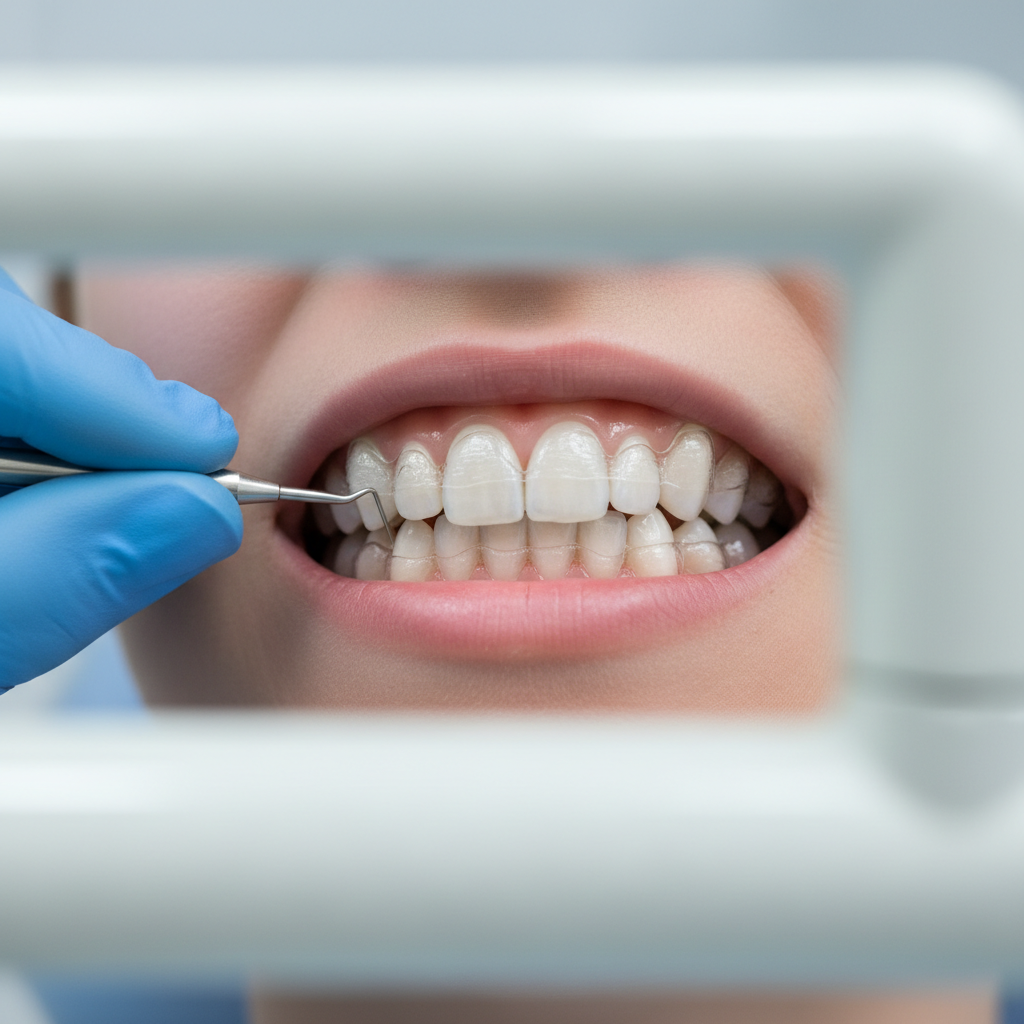
Invisalign aligners are removable, allowing for easier maintenance of oral hygiene. Patients can brush and floss normally without navigating around brackets and wires. However, the aligners must be worn for 20-22 hours a day for optimal results, which requires discipline.
Traditional braces, while fixed, can make oral hygiene more challenging. Special tools and techniques might be needed to clean around the brackets and wires effectively. On the positive side, they don't require the same level of daily commitment as Invisalign.
Cost Considerations
The cost of Invisalign and traditional braces can vary significantly based on location, provider, and the complexity of the treatment. Generally, Invisalign tends to be more expensive due to the technology and customization involved. However, some insurance plans might cover part of the cost for either option.
Ultimately, the decision between Invisalign and traditional braces should be made in consultation with a qualified orthodontist. They can evaluate your specific needs and recommend the best treatment plan for you. Consider your lifestyle, aesthetic preferences, and budget to choose the option that aligns best with your goals for a beautiful, healthy smile.